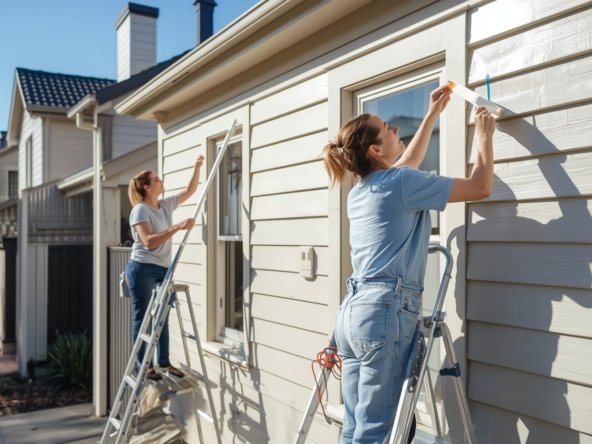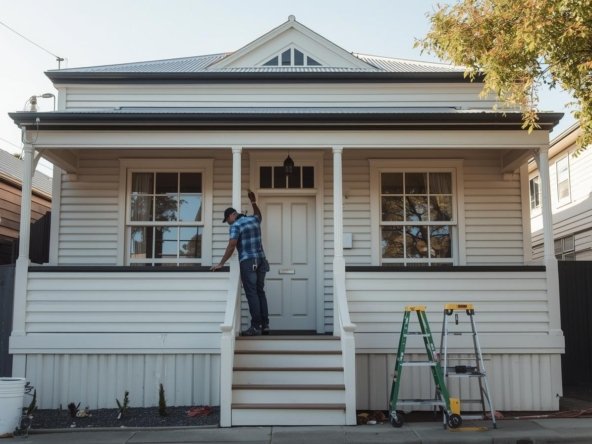
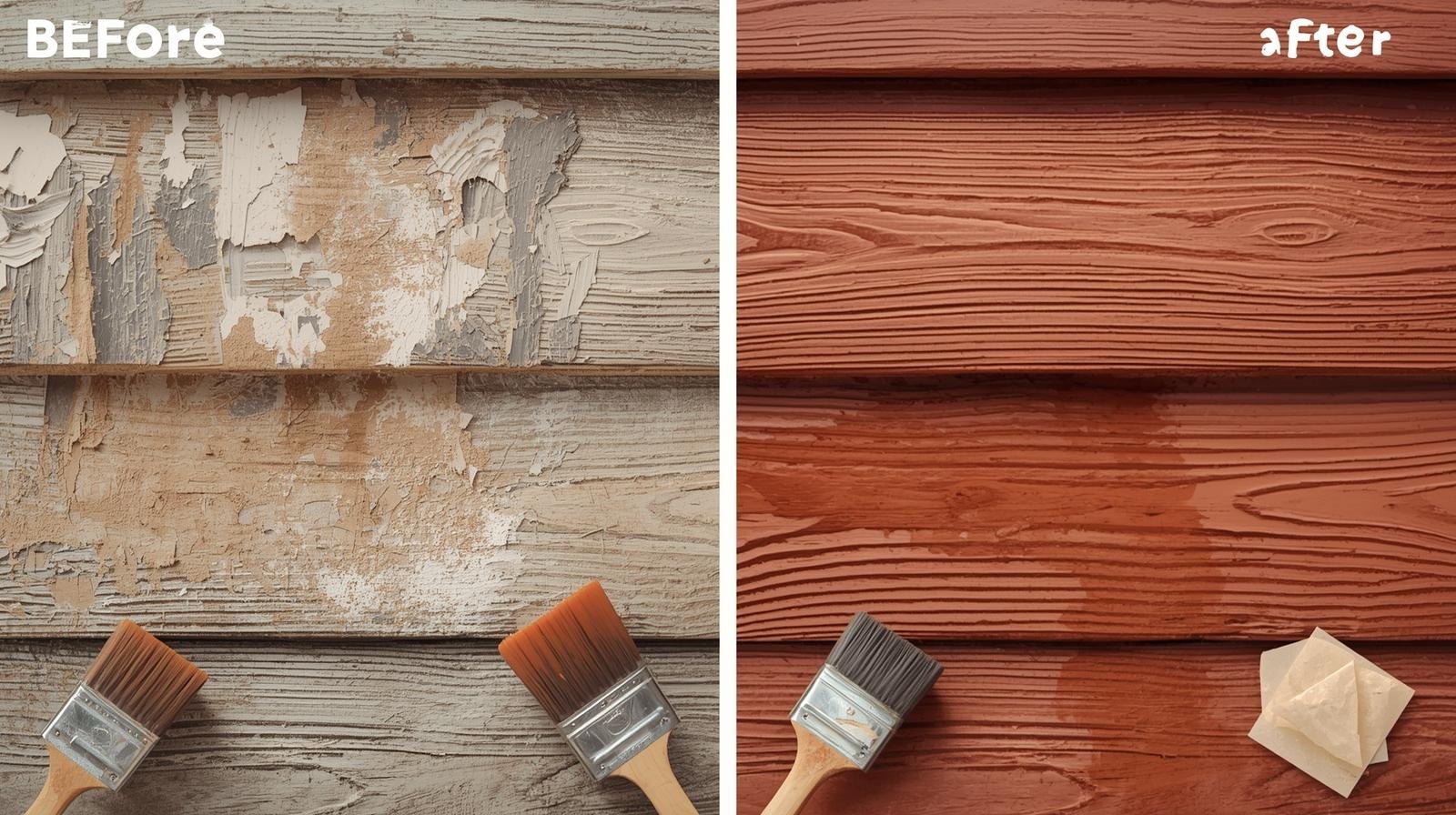
When homeowners or businesses start planning an exterior or interior project, they often wonder how to keep timber protected for years. Exterior wood painting plays a crucial role in durability, weather resistance, and appearance. If you want a finish that handles Melbourne’s unpredictable climate, the right process and products matter.
This is where a professional approach becomes essential. Norm Painting bring skilled painters, strong preparation techniques, and long-term value to every job. They complete projects on time and on budget, and their guarantees give clients peace of mind.
Whether you manage a commercial space, maintain an industrial site, or own a home with timber features, proper exterior wood painting makes a clear difference.
Understanding the Process: How Exterior Wood Gets a Hard-Wearing Finish
Many property owners ask what actually creates a long-lasting finish. The answer begins with thorough preparation.
Painters start by protecting surrounding areas using drop sheets, masking tape, painter’s tape, and painter’s gloves. Any flaking or old paint is removed with a paint scraper, Linbide scraper, mechanical stripper, orbital sander, or mechanical sander depending on timber condition. A surface soundness test helps identify loose sections before sanding.
Timber needs sanding with 120 grit timber sandpaper or standard sandpaper to achieve smoothness. They often clean the surface with a power washer, high-pressure cleaner, cleaning agents, cloth, water, and a sponge for proper surface cleaning and rinsing. Addressing mould and early signs of rot through rot treatment prevents future damage.
Open joins, holes, and cracks are repaired using a putty knife, filling blade, exterior wood-filler, or caulk. Painters then complete patch priming with a primer, sometimes using self-priming paint if suitable.
Every step supports strong paint adhesion, which is vital for timber surfaces exposed to UV, humidity, and seasonal changes.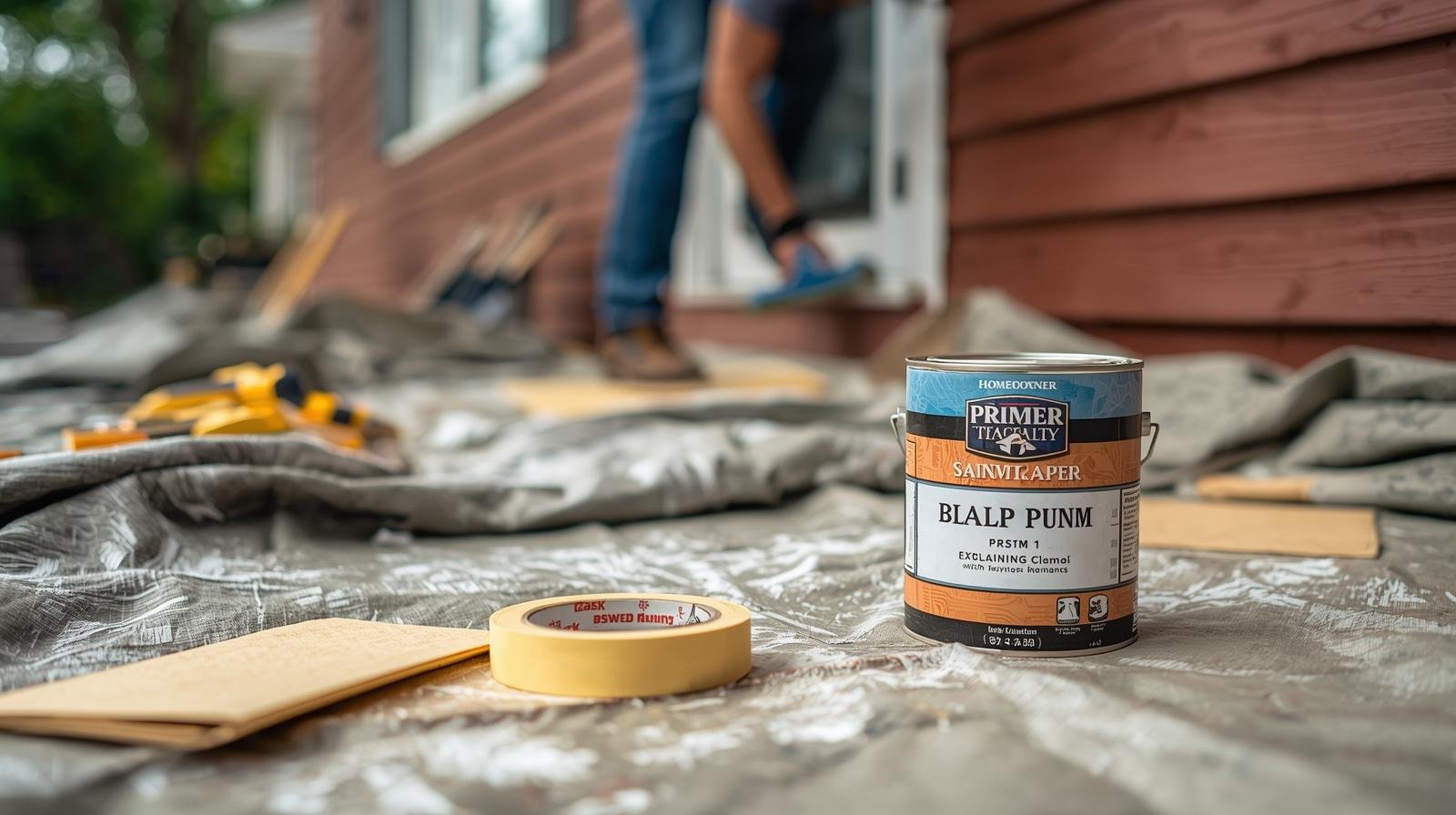
Common Problems People Face When Painting Exterior Timber
Property owners often face recurring issues when handling exterior house painting or the painting exterior of house themselves. These usually include:
1. Peeling or cracking paint
Skipping preparation or improper priming causes premature failure. Melbourne’s weather accelerates peeling if the correct exterior paint or exterior timber paint isn’t used.
2. Moisture absorption
Untreated timber absorbs water quickly. Without flexible, breathable, water-based paint qualities, the surface warps or rots.
3. UV and salt exposure
Homes near the coast need UV resistance, salt resistance, and mildewcide components in their coatings.
4. Incorrect product selection
Using indoor paints outside or choosing the wrong paint for outdoor wood, exterior wood paint, outdoor wood paint, or marine-grade paint leads to weak durability.
5. Weather interruptions
Painting during extreme temperatures or wind reduces drying time and interferes with adhesion.
These problems mean more frequent maintenance/repainting cycle, wasted money, and uneven finishes.

Smart Solutions for Reliable Exterior Painting Results
Professionals follow systems designed to avoid typical failures. For Melbourne properties, painters select high-quality exterior paint, often in the Dulux range. Many homes include treated pine features, so techniques for painting treated pine Dulux products are important.
Effective painting involves:
-
Working in direction of wood grain
-
Using horizontal and vertical strokes for coverage
-
Laying off paint properly with a bristled brush, Monarch 50mm Cutting In and Framing Brush, or ROLLERS such as the UNi-PRO 100mm Mini Roller Kit
-
Applying multiple topcoat application if needed
-
Ensuring proper drying time between coats
-
Choosing correct colour/paint shade selection and confirming paint batch numbers
Timber areas like weatherboards, fascia, pergolas, posts, and decorative trims require outdoor paint for wood, outdoor timber paint, or exterior paint for wood designed for moisture/weather exposure resistance.
Norm Painting’s team understand different home styles across Melbourne’s east, from weatherboards to brick veneer homes with timber trims. Their preparation methods lead to finishes that last longer and resist harsh conditions.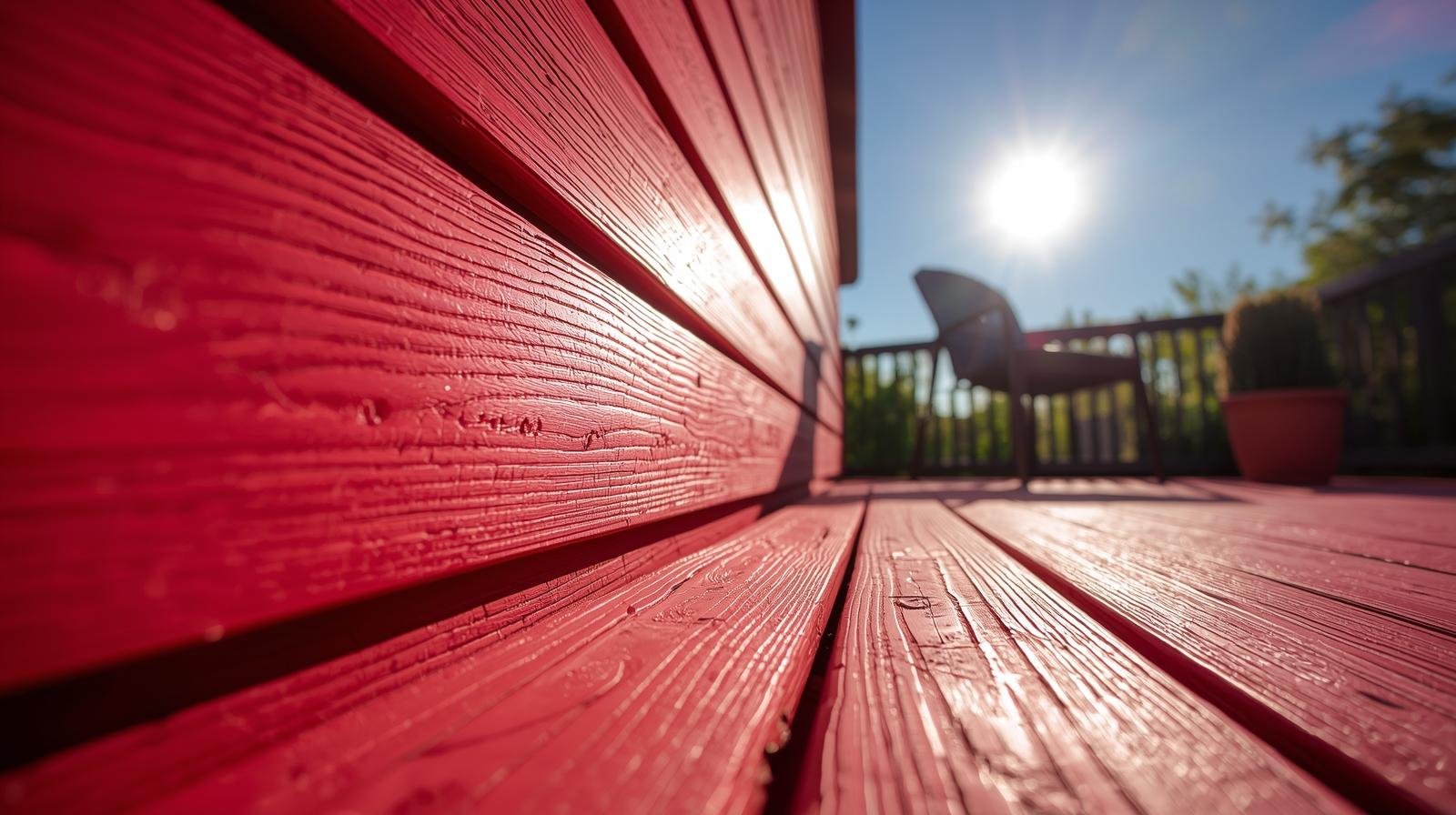
Practical Tips for Homeowners and Businesses Planning a Timber Painting Project
Good planning prevents delays and costly errors. Before hiring an exterior house painter or external house painter, consider these steps:
1. Trim surrounding vegetation
Bushes and tree branches can touch fresh paint. Trimming vegetation helps avoid contamination.
2. Check timber condition
Soft spots, mould, and splits need attention before painting outside.
3. Never skip preparation
DIY projects often fail due to skipped surface preparation.
4. Use the right tools
From the paint pot to Rubber gloves, Safety goggles, a hot air gun, and quality paint brush, the tools impact the final finish.
5. Choose weather-friendly days
Stable temperature helps with paint curing. Melbourne’s climate makes weather conditions a real factor.
6. Clean tools after use
Use proper cleaning methods so tools last and paint applies smoothly next time.
7. Know when to call professionals
If you want guaranteed durability, a team like Norm Painting save time and reduce maintenance costs.
Benefits of Choosing Professional Exterior Painting Services
Hiring an experienced team for exterior painting Melbourne or exterior house painting services leads to better long-term results.
Durability
Professionals understand how to paint exterior wood and how to apply the right top coat, wood stain, or speciality coatings.
Reliability
Norm Painting complete every repainting or restoration job efficiently. Their team follow proven systems, maintain timelines, and stay within budget.
Clear communication
Commercial and residential clients appreciate simple guidance, clean job sites, and transparent pricing.
Guarantees
Norm Painting give clients a multiple-year guarantee because of their confidence in preparation and finish quality.
Wide service coverage
They handle interior and exterior projects across Melbourne for homes, facilities, strata properties, schools, and more.
FAQs
1. How long does exterior wood painting last?
A well-prepared and properly coated timber surface typically lasts 5–10 years. Factors like weather exposure, paint quality, and maintenance patterns influence the lifespan.
2. What paint is best for outdoor timber?
Use exterior timber paint, outdoor paint for wood, or marine-grade paint for tougher environments. These products resist moisture, UV exposure, mould, and temperature changes.
3. Do I need to sand wood before painting?
Yes. Sanding with 120 grit timber sandpaper or using an orbital sander ensures proper adhesion. It also removes dirt, old coatings, and rough patches.
4. How many coats of paint do exterior wood surfaces need?
Most projects require one primer coat and two paint coats. Some older or weathered surfaces benefit from multiple topcoat application for better coverage.
5. What time of year is best for exterior painting?
Mild weather days with low humidity work best. Painters check weather conditions to ensure proper drying time and long-lasting results.
6. Painting exterior wood. How can I do it better?
Use high-quality exterior paint, prepare the surface thoroughly by sanding and removing loose paint, apply primer on bare timber, and paint in the direction of the wood grain. Ensure proper drying time between coats and choose weather-appropriate days.
7. What paint to use on exterior wood?
Choose a durable exterior timber paint or outdoor wood paint designed for UV resistance and moisture protection. Marine-grade or water-based flexible paints work well for harsh weather conditions.
8. What is the best way to prepare and paint an old house?
Start with cleaning, mould removal, and a full surface inspection. Scrape off loose paint, sand the timber, fill cracks, and apply primer. Use quality exterior coats, follow correct drying times, and work systematically around the home in stable weather.