
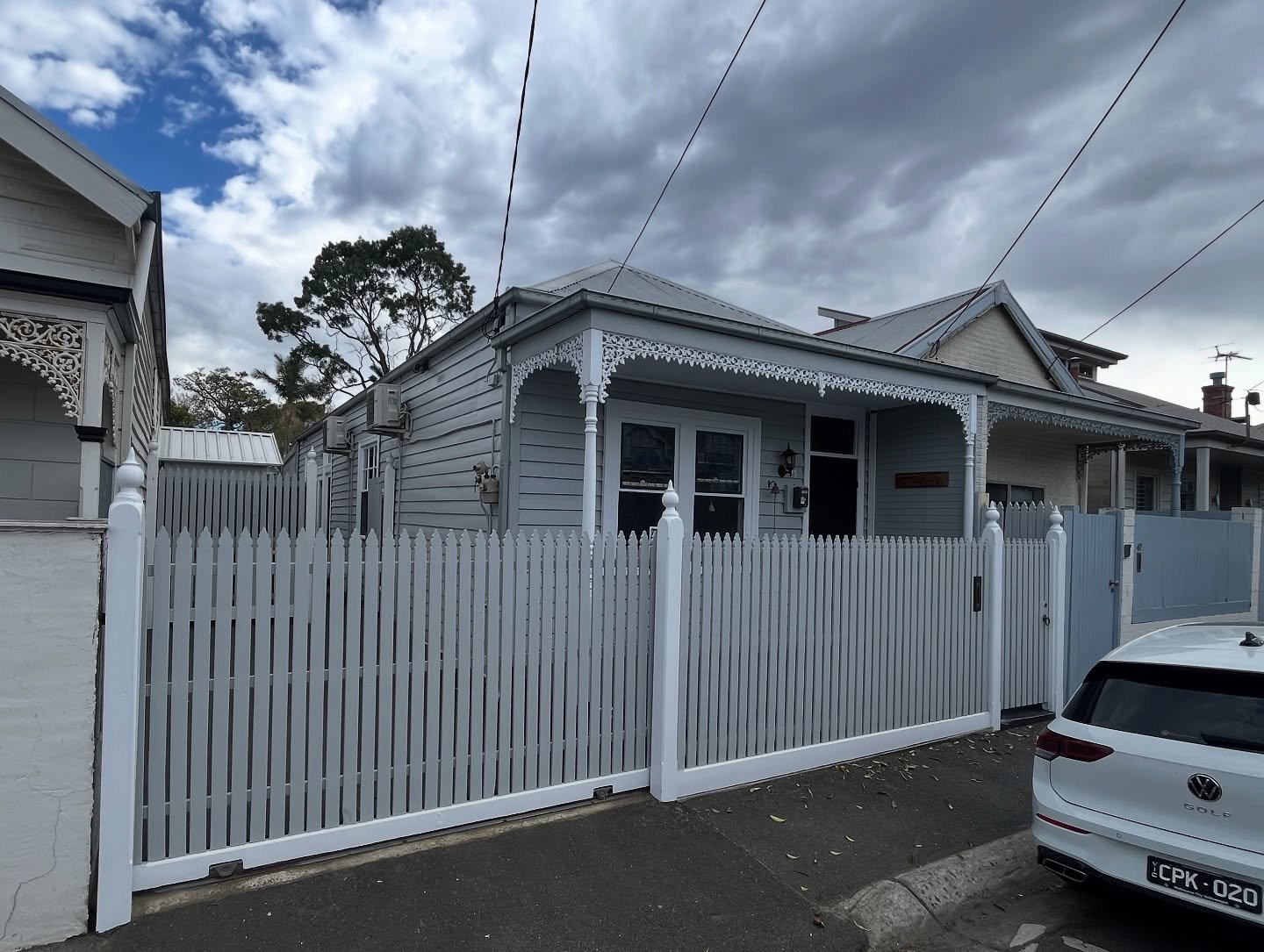
Weatherproofing exterior paint in Victoria starts with choosing the right paint system for Melbourne's unpredictable climate. High-quality exterior paints with excellent UV resistance, water repellency, flexibility, and mould protection last significantly longer than standard paints.
Melbourne is famous for experiencing "four seasons in one day." One moment your home is exposed to harsh UV rays, the next it's hit by rain, strong winds, or cool temperatures. These constant weather changes place enormous stress on exterior paint, causing cheaper coatings to fade, crack, peel, or blister long before they should.
The competitor content highlights Australia's harsh climate, including UV exposure, humidity, fluctuating temperatures, and the need for durable paints on roofs, timber, metal, brick, and concrete surfaces. However, it focuses mainly on product recommendations rather than explaining why certain paint technologies perform better.
In this guide, you'll learn:
Why exterior paint fails in Victoria.
Which paint technologies survive Melbourne's weather.
The best paints for different exterior surfaces.
How to prepare your home before painting.
Expert tips to maximise paint lifespan.
Common mistakes homeowners should avoid.
Why Does Exterior Paint Fail Faster in Victoria's Climate?
Exterior paint fails faster in Victoria because it must constantly expand, contract, dry, and repel moisture throughout the year.
Unlike regions with stable weather, Melbourne experiences rapid climate changes that place continuous pressure on painted surfaces.
The biggest causes of paint failure include:
Strong UV radiation
Heavy rainfall
High humidity
Temperature fluctuations
Coastal salt exposure
Wind-driven dust
Air pollution
Without the right exterior coating, these conditions gradually break down paint, leaving your home exposed to moisture and structural damage.
How Do UV Rays Damage Exterior Paint?
UV radiation breaks down paint binders, causing colours to fade and protective coatings to weaken.
Melbourne receives high levels of ultraviolet radiation throughout much of the year.
Over time, UV exposure causes:
Colour fading
Chalking
Surface brittleness
Loss of gloss
Cracking
Premium exterior paints contain UV-resistant pigments and advanced acrylic resins that significantly slow this deterioration.
How Does Rain Affect Exterior Paint?
Rain damages exterior paint when moisture penetrates weak or poorly protected coatings.
Exterior paint should repel water while allowing trapped moisture inside the wall to escape.
When paint loses this balance, problems quickly develop.
Common moisture-related issues include:
Bubbling
Blistering
Peeling
Damp patches
Timber rot
Efflorescence on masonry
Proper weatherproof paints create a durable barrier without trapping moisture inside building materials.
Why Is Humidity a Problem for Exterior Walls?
Humidity encourages mould, mildew, and fungal growth on exterior surfaces.
Melbourne's humid periods, especially during cooler months, create ideal conditions for biological growth.
Paints with mould-resistant technology help reduce:
Black mould
Green algae
Mildew stains
Surface discolouration
These specialised coatings keep homes looking cleaner for longer.
How Do Temperature Changes Affect Exterior Paint?
Temperature changes cause building materials to expand and contract every day.
As walls heat during the day and cool overnight, rigid paint films can crack under repeated movement.
Modern premium acrylic paints are designed to remain flexible, allowing them to move with the surface instead of breaking apart.
Does Coastal Air Affect Homes Around Melbourne?
Yes. Salt carried by coastal winds accelerates corrosion and paint deterioration.
Homes near:
Port Phillip Bay
Mornington Peninsula
Geelong
Williamstown
Altona
Brighton
St Kilda
need higher-performance exterior coatings because airborne salt gradually attacks both paint and metal surfaces.
How Victoria's Weather Affects Exterior Paint
Weather ConditionImpact on PaintUV radiationFading and chalkingHeavy rainWater penetrationHumidityMould growthHeatExpansion and crackingColdContraction stressCoastal saltCorrosion and paint breakdownWindDirt accumulation and erosion
Expert Tip: Exterior paint should protect your home year-round, not just during summer.
What Makes Exterior Paint Truly Weatherproof in Victoria?
Weatherproof exterior paint combines several protective technologies to withstand Melbourne's changing climate.
Many homeowners focus only on colour, but durability depends on the ingredients inside the paint.
High-performance exterior paints typically offer:
UV resistance
Water resistance
Breathability
Flexibility
Mould resistance
Dirt resistance
Colour retention
Crack resistance
Each feature helps protect your home's exterior for many years.
Why Is UV Resistance Important?
UV-resistant paint maintains its colour and protective properties for much longer.
Quality exterior paints use premium pigments that resist fading even after years of sun exposure.
Benefits include:
Longer-lasting colour
Reduced fading
Better appearance
Less frequent repainting
Why Does Water Resistance Matter?
Water-resistant paint prevents rain from soaking into walls while protecting underlying materials.
This helps reduce:
Rot
Dampness
Paint peeling
Structural damage
Properly weatherproofed walls stay drier throughout the year.
Why Is Breathability Essential?
Breathable paint allows moisture vapour inside the wall to escape naturally.
Without breathability, trapped moisture can eventually cause:
Bubbling
Blistering
Flaking
Internal damp problems
Modern acrylic paints balance waterproofing with breathability.
Why Should Exterior Paint Be Flexible?
Flexible paint expands and contracts without cracking.
Melbourne's daily temperature changes make flexibility one of the most important features of exterior paint.
Rigid paints become brittle over time, especially under constant UV exposure.
How Does Mould Resistance Protect Your Home?
Mould-resistant paint slows the growth of fungi and algae on exterior surfaces.
This is particularly useful for:
South-facing walls
Shaded gardens
Areas beneath trees
Homes near waterways
Cleaner walls require less maintenance and stay attractive for longer.
Why Is Dirt Resistance Important?
Dirt-resistant paint prevents airborne dust and pollution from permanently sticking to the surface.
Melbourne's traffic, construction activity, and windy weather can quickly make exterior walls appear dirty.
Self-cleaning or dirt-resistant coatings help maintain a fresher appearance between washes.
Features of High-Quality Weatherproof Paint
FeatureBenefitUV resistancePrevents fadingWater resistanceStops moisture penetrationBreathabilityReleases trapped moistureFlexibilityReduces crackingMould resistanceKeeps walls cleanerDirt resistanceEasier maintenanceColour retentionLonger-lasting appearanceStrong adhesionReduces peeling
Professional Advice: The cheapest paint often becomes the most expensive because it requires repainting much sooner.
Which Types of Exterior Paint Perform Best in Victoria?
Premium acrylic exterior paints generally perform best in Victoria because they combine flexibility, durability, and excellent weather resistance.
Different surfaces, however, require different coating systems.
The most common exterior paint types include:
Acrylic exterior paint
Elastomeric coatings
Masonry paint
Roof coatings
Timber stains
Metal coatings
Concrete sealers
Choosing the correct coating is just as important as choosing the right colour.
Acrylic Exterior Paint
Acrylic paint is the most popular exterior coating for Melbourne homes.
It offers excellent:
UV protection
Colour retention
Flexibility
Moisture resistance
Easy maintenance
Suitable surfaces include:
Weatherboards
Render
Brick
Fibre cement
Concrete
Elastomeric Paint
Elastomeric coatings create a thick, flexible membrane over exterior surfaces.
They are ideal for surfaces with:
Hairline cracks
Render
Concrete
Masonry
Their flexibility helps bridge minor cracks while keeping moisture out.
Masonry Paint
Masonry paint protects porous surfaces such as brick and concrete.
Benefits include:
Weather resistance
Breathability
Reduced water absorption
Improved durability
Roof Coatings
Roof paints protect roofing materials from UV damage and weather exposure.
Modern roof coatings can also:
Reflect heat
Improve energy efficiency
Resist mould
Extend roof lifespan
Timber Stains and Oils
Timber stains protect natural timber while allowing its texture to remain visible.
Ideal for:
Decking
Pergolas
Timber cladding
Outdoor furniture
Unlike standard paint, penetrating oils help minimise warping, splitting, and moisture damage.
Exterior Paint Comparison
Paint TypeBest ForWeather ResistanceLifespanAcrylic PaintWalls, render, weatherboardsExcellentHighElastomeric CoatingCracked masonryExcellentVery HighMasonry PaintBrick and concreteHighHighRoof CoatingRoof tiles and metal roofsExcellentVery HighTimber StainDecks and timberHighModerateMetal CoatingSteel and aluminiumExcellentHigh
Which Exterior Surfaces Need the Most Weather Protection in Victoria?
Exterior surfaces that face direct sunlight, rain, wind, and moisture need the highest level of weather protection. Every material reacts differently to Melbourne's changing climate, so choosing the right coating for each surface is essential.
The competitor article highlights roofs, metal, timber, brick, concrete, and exterior walls as the key areas requiring durable protection against Australia's harsh weather.
Why Do Weatherboard Homes Need Premium Exterior Paint?
Weatherboards need flexible exterior paint because timber naturally expands and contracts with changes in temperature and moisture.
Without proper protection, weatherboards can develop:
Peeling paint
Cracks
Moisture damage
Timber rot
Warping
High-quality acrylic paints are ideal because they remain flexible while providing excellent UV and water resistance.
How Should You Protect Rendered Walls?
Rendered walls need breathable paint that prevents water penetration while allowing trapped moisture to escape.
Hairline cracks are common on rendered homes due to movement and seasonal temperature changes.
The best coatings for rendered walls provide:
Crack resistance
UV protection
Breathability
Long-lasting colour
Reduced moisture penetration
Why Does Brick Need Weatherproof Paint?
Brick may appear maintenance-free, but it still absorbs moisture during wet weather.
Protective coatings help:
Reduce water absorption.
Prevent staining.
Slow surface deterioration.
Improve colour longevity.
Minimise efflorescence.
Breathable masonry paints are generally the best option because they protect the surface without trapping moisture.
How Should Concrete Surfaces Be Protected?
Concrete requires specialised coatings that resist moisture, heavy foot traffic, and UV exposure.
Common concrete surfaces include:
Driveways
Pathways
Patios
Garage floors
Exterior stairs
Quality concrete coatings improve durability while making surfaces easier to clean.
What Paint Is Best for Metal Surfaces?
Metal surfaces require corrosion-resistant coatings to prevent rust and weather damage.
Common exterior metal surfaces include:
Gutters
Downpipes
Steel fencing
Handrails
Garage doors
Structural steel
Protective metal coatings help prevent:
Rust
Corrosion
Peeling
Colour fading
How Can You Protect Exterior Timber?
Exterior timber performs best when protected with high-quality stains, oils, or premium exterior paints.
Timber is especially vulnerable to:
Moisture
UV exposure
Splitting
Cupping
Warping
Rot
Regular maintenance significantly extends the lifespan of timber features.
Best Paint Systems by Surface
Exterior SurfaceRecommended CoatingKey BenefitWeatherboardsPremium acrylic paintFlexible and weather resistantRenderElastomeric or acrylic coatingCrack resistanceBrickBreathable masonry paintMoisture protectionConcreteConcrete coating or sealerLong-lasting durabilityMetalRust-resistant metal coatingCorrosion protectionTimberExterior stain or acrylic paintUV and moisture resistance
Expert Tip: Different exterior materials require different paint systems. Using the wrong coating often leads to premature paint failure.
How Does Melbourne's Climate Affect Different Exterior Building Materials?
Melbourne's weather affects every exterior surface differently because each material reacts uniquely to moisture, heat, and temperature changes.
Understanding these differences helps homeowners choose the most suitable paint system.
Timber
Timber expands during wet weather and contracts during dry conditions.
Without proper protection, it can develop:
Cracks
Splits
Rot
Warping
Paint peeling
Flexible coatings allow timber to move naturally.
Brick
Brick absorbs water through tiny pores.
Repeated wet and dry cycles can eventually cause:
Surface staining
Efflorescence
Mortar deterioration
Breathable coatings help minimise these issues.
Render
Rendered walls are susceptible to movement-related cracking.
Flexible acrylic coatings reduce the likelihood of visible cracks while maintaining an attractive finish.
Concrete
Concrete continuously absorbs and releases moisture.
Without protection, it can suffer from:
Surface wear
Water penetration
Cracking
Discolouration
Protective sealers significantly improve durability.
Steel
Steel is highly durable but vulnerable to corrosion if protective coatings fail.
Regular inspection helps identify:
Rust spots
Chipped paint
Corrosion around joins
Early maintenance prevents expensive repairs.
Aluminium
Although aluminium does not rust like steel, it can oxidise and lose its appearance over time.
Quality exterior coatings improve both durability and aesthetics.
How Materials React to Melbourne's Weather
MaterialMain Weather ChallengeBest ProtectionTimberMoisture movementFlexible acrylic or stainBrickWater absorptionBreathable masonry coatingRenderHairline crackingElastomeric coatingConcreteMoisture penetrationConcrete sealerSteelRustMetal coatingAluminiumOxidationExterior metal paint
How Should You Prepare Exterior Surfaces Before Painting?
Proper preparation is the foundation of a long-lasting exterior paint job. Even the highest-quality paint cannot perform well if it's applied over dirty, damaged, or damp surfaces.
Professional painters often spend as much time preparing surfaces as they do painting them.
Clean Every Surface Thoroughly
Remove all dirt, dust, mould, algae, and loose paint before applying new coatings.
Cleaning methods may include:
Pressure washing
Soft washing
Scrubbing stubborn stains
Mould treatment
A clean surface helps paint bond properly.
Repair Surface Damage
Repairing defects before painting prevents future paint failure.
Check for:
Cracks
Holes
Rotten timber
Loose render
Rust
Damaged sealant
Every repair should be completed before priming.
Sand Loose or Flaking Paint
Sanding creates a smooth, stable surface for new paint.
Focus on areas with:
Peeling paint
Blistering
Rough edges
Glossy finishes
Proper sanding improves paint adhesion and creates a more professional finish.
Apply the Correct Primer
Primer improves adhesion and helps the topcoat perform at its best.
Different surfaces require different primers, including:
Timber primers
Masonry primers
Metal primers
Stain-blocking primers
Choosing the correct primer extends the life of the entire paint system.
Check Weather Conditions Before Painting
Exterior painting should only begin when conditions are suitable.
Avoid painting during:
Rain
High humidity
Strong winds
Extremely hot days
Very cold temperatures
Stable weather allows paint to cure properly.
Exterior Surface Preparation Checklist
Preparation StepWhy It MattersPressure washRemoves dirt and contaminantsRemove mouldPrevents future growthRepair cracksStops moisture entrySand surfacesImproves adhesionPrime correctlyIncreases paint durabilityCheck weatherEnsures proper curing
Professional Advice: Most long-lasting exterior paint jobs succeed because of excellent preparation rather than expensive paint alone.
What Is the Best Time of Year to Paint Outside in Melbourne?
Spring and autumn generally provide the best conditions for exterior painting in Melbourne because temperatures are moderate and weather patterns are more stable.
These seasons allow paint to cure evenly without excessive heat, cold, or humidity.
Spring
Spring offers comfortable temperatures and lower humidity, making it one of the most popular times for exterior painting.
Advantages include:
Faster drying
Good paint adhesion
Mild temperatures
Summer
Summer can be suitable, but extreme heat and direct sunlight may cause paint to dry too quickly.
Early morning painting often delivers the best results.
Autumn
Autumn provides stable temperatures with fewer extremely hot days.
Many professional painters consider it one of the best seasons for exterior projects.
Winter
Winter painting is possible on suitable days, but cold temperatures, rain, and higher humidity may delay drying.
Weather forecasts should always be checked before starting.
Best Seasons for Exterior Painting
SeasonSuitabilityNotesSpringExcellentMild temperaturesSummerGoodAvoid extreme heatAutumnExcellentStable weatherWinterFairPaint only in suitable conditions
Expert Tip: Always paint during dry weather and allow enough curing time before rain is expected.
Which Exterior Paint Finish Lasts the Longest in Victoria's Climate?
Low sheen and satin exterior paint finishes generally offer the best balance between durability, weather resistance, and appearance for most Melbourne homes.
The ideal finish depends on the surface you're painting, the amount of weather exposure, and your maintenance preferences.
Is Matte Exterior Paint a Good Choice?
Matte paint hides surface imperfections better than shinier finishes.
It works well on:
Rendered walls
Modern homes
Large exterior walls
Benefits include:
Minimal glare
Contemporary appearance
Better at concealing minor defects
However, matte finishes may collect dirt more easily than low sheen coatings.
Why Is Low Sheen the Most Popular Exterior Finish?
Low sheen paint is one of the most commonly used exterior finishes because it combines durability with easy maintenance.
Advantages include:
Better dirt resistance
Easier cleaning
Good UV performance
Long-lasting appearance
Suitable for most exterior walls
This finish works particularly well on weatherboards, brick, render, and fibre cement.
When Should You Choose Satin Finish?
Satin finishes provide a slightly smoother and more washable surface.
They're ideal for:
High-traffic exterior areas
Doors
Timber cladding
Decorative features
The subtle sheen also makes colours appear slightly richer.
Is Semi-Gloss Suitable for Exterior Painting?
Semi-gloss performs best on trim and architectural details.
Common applications include:
Window frames
Fascia boards
Gutters
Doors
Timber trims
Its smooth surface resists dirt and moisture effectively.
Where Should Gloss Paint Be Used?
Gloss paint is best reserved for feature elements rather than large wall areas.
Suitable surfaces include:
Front doors
Decorative timber
Metal railings
Garage doors
Its reflective finish creates visual impact while providing excellent durability.
Exterior Paint Finish Comparison
FinishDurabilityBest ForMaintenanceMatteHighRender, feature wallsModerateLow SheenExcellentExterior wallsLowSatinExcellentTimber, claddingLowSemi-GlossVery HighTrim and doorsVery LowGlossVery HighFeature elementsVery Low
Expert Tip: Low sheen remains the preferred finish for most Melbourne homes because it balances appearance, durability, and easy maintenance.
How Long Should Exterior Paint Last in Victoria?
A professionally applied premium exterior paint system can last between 8 and 15 years, depending on the surface, paint quality, and exposure to Melbourne's weather.
Homes exposed to harsh sunlight, coastal salt, or heavy rain may require maintenance sooner.
Several factors influence paint lifespan:
Surface preparation
Paint quality
Weather exposure
Building orientation
Maintenance
Application quality
Expected Lifespan by Surface
SurfaceTypical LifespanWeatherboards8–12 yearsRender10–15 yearsBrick10–15 yearsTimber Cladding8–10 yearsMetal10–15 yearsRoof10–15 yearsFences6–10 years
Professional Advice: Regular cleaning and minor touch-ups can significantly extend the life of your exterior paint.
What Are the Signs That Your Exterior Paint Needs Repainting?
Exterior paint usually shows clear warning signs before complete failure.
Recognising these problems early helps prevent expensive structural repairs.
Common signs include:
Peeling paint
Cracking
Bubbling
Blistering
Chalking
Colour fading
Rust stains
Mould growth
Water stains
Timber deterioration
Early Warning Signs
Look for:
Hairline cracks
Small peeling sections
Faded colours
Loose caulking
Minor mould patches
Repairing these issues early often prevents full repainting.
Serious Signs
Immediate attention is recommended if you notice:
Large peeling areas
Rotten timber
Rust spreading
Deep cracks
Water entering walls
Ignoring these problems may lead to costly structural damage.
Paint Failure Checklist
ProblemLikely CausePeelingPoor adhesion or moistureBubblingTrapped moistureChalkingUV breakdownCrackingAge or rigid coatingFadingUV exposureRustFailed metal coatingMouldExcess moisture
How Can You Make Exterior Paint Last Longer?
Routine maintenance is the easiest way to extend the life of exterior paint.
Simple annual inspections can prevent small problems from becoming major repairs.
Follow These Maintenance Tips
Wash exterior walls annually.
Clean gutters regularly.
Trim trees touching the house.
Repair cracks immediately.
Replace damaged sealant.
Remove mould as soon as it appears.
Inspect painted surfaces every year.
Touch up damaged areas promptly.
These simple steps help preserve both the paint and the building underneath.
Exterior Paint Maintenance Schedule
TaskFrequencyWash wallsOnce per yearGutter cleaningTwice per yearCheck caulkingAnnuallyRemove mouldAs requiredRoof inspectionEvery 2–3 yearsTouch-up paintWhen needed
Expert Tip: Preventative maintenance costs far less than a complete repaint.
What Are the Most Common Exterior Painting Mistakes?
Most exterior paint failures result from poor preparation rather than poor products.
Avoiding these common mistakes can dramatically improve paint performance.
Mistakes to Avoid
Painting over dirty surfaces.
Skipping primer.
Painting damp walls.
Ignoring weather forecasts.
Using interior paint outdoors.
Choosing cheap paint.
Applying paint too thickly.
Painting in direct afternoon sun.
Ignoring manufacturer drying times.
Neglecting surface repairs.
Better Painting Practices
MistakeBetter SolutionNo cleaningPressure wash firstNo primerPrime correctlyCheap paintInvest in premium coatingsDamp surfacesAllow surfaces to dryWrong weatherPaint during suitable conditions
Is Premium Exterior Paint Worth the Investment?
Premium exterior paint usually provides better long-term value because it lasts longer and requires less maintenance.
Although premium products cost more initially, they often reduce repainting costs over the life of your home.
Benefits include:
Better UV protection.
Superior colour retention.
Improved flexibility.
Stronger adhesion.
Better mould resistance.
Longer warranties.
Lower maintenance costs.
Premium vs Budget Paint
Premium PaintBudget PaintLonger lifespanShorter lifespanBetter UV resistanceFaster fadingSuperior adhesionGreater peeling riskBetter flexibilityMore crackingLower maintenanceMore frequent repainting
Professional Advice: Investing in premium exterior paint is often more economical than repainting every few years.
Why Should You Hire Professional Exterior Painters in Melbourne?
Professional painters deliver longer-lasting results because they understand Melbourne's climate, surface preparation, and coating systems.
Choosing experienced painters helps protect your investment while achieving a higher-quality finish.
Professional painters provide:
Thorough surface preparation.
Expert product selection.
Correct primer application.
Safe access to difficult areas.
Consistent workmanship.
Efficient project completion.
Manufacturer-recommended application methods.
Frequently Asked Questions About Weatherproofing Exterior Paint in Victoria
What is the best exterior paint for Melbourne's climate?
Premium acrylic exterior paint is generally the best choice because it offers excellent UV resistance, flexibility, breathability, and long-lasting protection.
How often should a house be repainted in Victoria?
Most professionally painted homes require repainting every 8–15 years, depending on surface type, paint quality, and weather exposure.
Can I paint my house during winter?
Yes, but only when temperatures, humidity, and weather conditions are suitable for proper paint curing.
Does dark exterior paint fade faster?
Yes. Dark colours usually absorb more heat and may show fading sooner than lighter shades if lower-quality paint is used.
Should I pressure wash before painting?
Yes. Cleaning removes dirt, mould, loose paint, and contaminants that can reduce paint adhesion.
What is the best paint finish for exterior walls?
Low sheen is generally the preferred finish because it offers excellent durability, dirt resistance, and a modern appearance.
How do I stop exterior paint from peeling?
Prepare the surface properly, repair any damage, apply the correct primer, use premium exterior paint, and paint during suitable weather conditions.
Can rain damage fresh exterior paint?
Yes. Rain before the paint has fully cured can affect adhesion, appearance, and long-term durability.
Final Thoughts on Weatherproofing Exterior Paint in Victoria
Weatherproofing your home's exterior begins with selecting the right paint system and applying it correctly. Melbourne's changing weather demands coatings that can withstand intense UV radiation, heavy rain, humidity, wind, and constant temperature fluctuations.
To achieve the best long-term results:
Choose premium weather-resistant exterior paint.
Match the coating to the surface material.
Prepare every surface thoroughly.
Paint during suitable weather conditions.
Inspect and maintain painted surfaces regularly.
Address small problems before they become major repairs.
Following these steps will help protect your home, improve its appearance, and maximise the lifespan of your exterior paint.
Protect Your Melbourne Home with Norm Painting
Your home's exterior deserves more than just a fresh coat of paint—it deserves lasting protection against Victoria's unpredictable weather.
At Norm Painting, we specialise in high-quality exterior painting for homes across Melbourne. From weatherboards and render to brick, timber, roofs, fences, and metal surfaces, we use premium weather-resistant paint systems and meticulous preparation techniques to deliver durable, beautiful finishes.
Whether you're restoring a weathered façade or planning a complete exterior makeover, our experienced team is ready to help.
Contact Norm Painting today for a free exterior painting consultation and no-obligation quote, and let us help protect your Melbourne home for years to come.


